
We always hear that children are the future; now the GNWT is embracing that model by offering junior kindergarten classes in all elementary schools throughout the territory.
RELATED: Future of junior kindergarten in NWT uncertain, says minister
Today, only 19 out of 49 public schools across the NWT offer junior kindergarten.
That number will rise to 20 in January, but that still leaves a significant amount of communities without early childhood education programs.
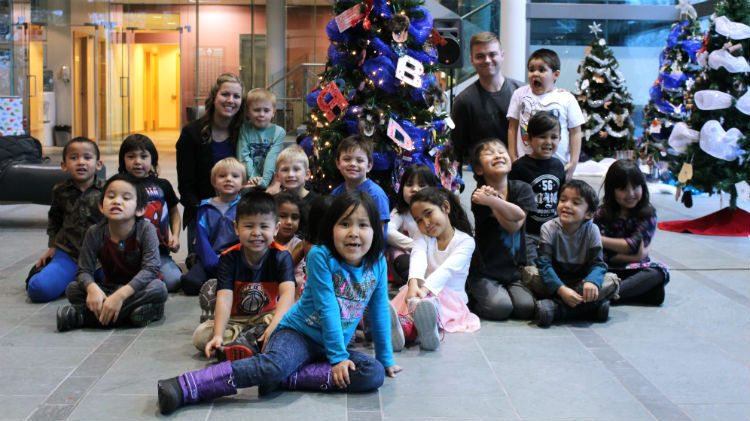
Now the GNWT plans to initially invest nearly $8.5 million into rolling out junior kindergarten in the remaining elementary schools by next year.
The investment includes hiring 17 additional teachers across the territory, funding for new equipment for classrooms and renovating current classrooms for smaller children.
This includes installing smaller bathroom fixtures and outdoor equipment for kids, which the government says will cost $2,850,000 spread out over several years.
Nearly $5.1 million in ongoing funding is also budgeted for financial costs to run junior kindergartens in the following years.
Junior kindergarten is open to four-year-old children, and focuses on play-based learning to help toddlers develop social skills, learn how to think critically, and manage their emotions.
Reduced cost of living
Parents can choose whether to enroll their toddlers in half or full-day junior education programs depending on the school’s availability.
The free program is optional, meaning parents have no obligation to enroll their children.
However, enrolling them could lead to savings.
The GNWT says that providing free early learning programs for children reduces the cost of living in the NWT by saving families up to $12,000 per child a year.
Not having to worry about a child at home gives parents the opportunity to find jobs or go to school as well without having to pay for additional child care.
NWT kids behind in development
According to the GNWT, many children in the North are starting school already behind in their development.
The Early Development Instrument (EDI) assesses children’s readiness to learn at school.
The population-based tool measures a five-year-old’s ability to meet appropriate development expectations in physical health, emotional maturity, language and cognitive development as well as communications skills.
The 2014 EDI for the territory found that children who did not attend junior kindergarten were significantly behind in at least one of those domains.
In the North, 38 per cent of five-year-olds in the NWT were behind in their growth and development. For smaller communities, that number rose to 53 per cent.
Comparatively, the average for the rest of Canada saw only 25 per cent of children fall behind.
Rita Mueller, assistant deputy minister of education, says investing in junior kindergarten is the best way to prepare children for the rest of their academic career.
“What we know as a territory… is that any way that we can strengthen early childhood programs from prenatal to five-years-old, worldwide research will tell you that it is the best bang for your buck in helping all residents be ready to reach their full potential.
“From a school perspective [junior kindergarten makes children] as school-ready as possible, which really means they are growing and developing like they should along each of the stages.”