


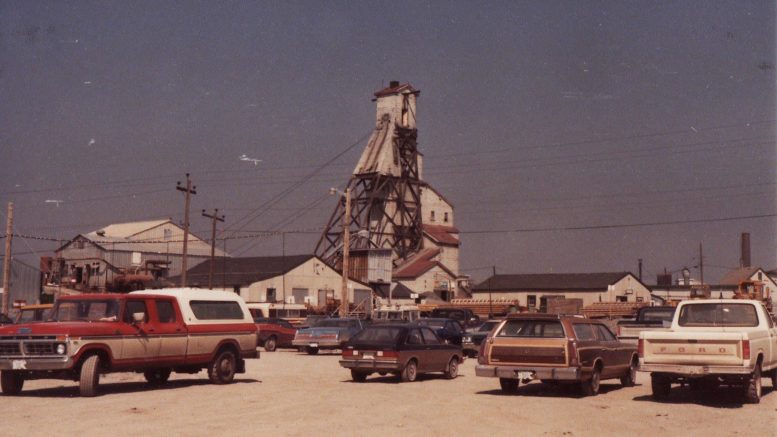
Giant Mine cleanup continues as GNWT announces off site testing

While the giant mine clean up continues, there are no plans to test arsenic levels in the surrounding areas.

“The city itself only tests water from our drinking water sources”, says Yellowknife Mayor Mark Heyck. “So that’s Yellowknife River and Yellowknife Bay. We conduct a number of different types of tests on that water to make sure that our drinking water is safe. We don’t test any other lakes or water bodies. If testing is done then it would be academic bodies or perhaps the GNWT.”

The city recently sat down with the giant mine oversight board, where Chairperson Kathleen Racher says the arsenic cleanup is only at the former site of the diamond mine.

“There’s no one person or one organization or one level of governments job so it’s spread out”, says Racher. “Somebody needs to do it. Unfortunately our mandate is supposed to be about the Giant Mine sight so I think we’re just waiting to see what the other levels of government come up with.”

A three-year study on arsenic in the Yellowknife region is expected to be delivered in 2018, according to minister of Environment and Natural Resources Robert C. McLeod.

Three additional monitoring projects are also examining arsenic contamination in water, sediments, soils and fish in the region.

McLeod added that his department has met with the Department of Health and Social Services in light of recent confusion about arsenic data.


Continue Reading

You may also like


cjcd Now playing play

- Advertisement -

Related Articles

- Advertisement -

Latest News

Aklavik Access Road closes April 30, one day earlier than anticipated

The N.W.T. Department of Infrastructure has closed the Aklavik Access Road as the winter road season comes to a close. On Wednesday, the department issued a 72-hour closure caution but warned that the road “may close sooner with little to no notice.”

April water levels, temps and precipitation below average in much of N.W.T.

Data collected by scientists with the territory’s Environment and Climate Change department shows water levels remain low in most rivers and lakes across the territory. Great Slave Lake's level is lower than below average levels last year. With snow packs above average in the south, water levels could rise as temperatures rise.

GNWT announces investment of $30 million into inclusive schooling

The Government of the Northwest Territories is investing over $30 million towards stabilizing inclusive schooling in the territory following a 2024-2026 review.

32nd N.W.T. school sees enhanced lead levels in water

With another school showing high levels of lead in drinking water, testing so far confirms that 32 of 40 schools in N.W.T. have elevated levels of lead, that's 80 per cent. School water testing results were announced for two more schools in the territory with one school in Délı̨nę showing elevated levels of lead.

Flood and wildfire preparedness activities begin across N.W.T.

Flood and wildfire preparedness planning activities are beginning across the territory. Hay River’s Local Emergency Management Organization is bringing emergency preparedness information resources, including a preparedness brochure mailed out this week to households. Jason Currie, NWT’s manager of fire operations says with snow pack water equivalencies being “well above average” this season is helping delay wildfire season.



