




Hay River’s Northern Farm Training Institute (NFTI) is set to become a hub for a major international non-profit, having been a candidate for most of the year.
Last week, the Savory Institute – a US-based non-profit – announced that it had entered into a partnership with NFTI to serve as one of its local hubs.
The institute, founded by farming environmentalist Allan Savory, claims its work worldwide helps farms become “economically, socially, and environmentally regenerative” using principles of “holistic management” that are central to Savory’s philosophy.
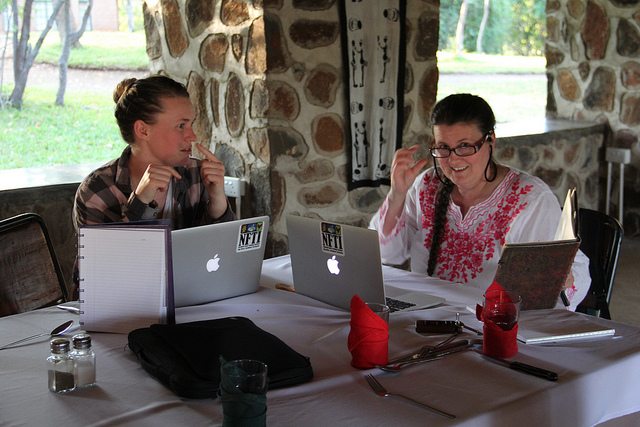
As part of its accreditation process, NFTI president Jackie Milne and operations manager Kim Rapati went on a 10-day trip to Zimbabwe in May.
Read: Hay River Farm Accepts Surprise Donation, Plans Greenhouse
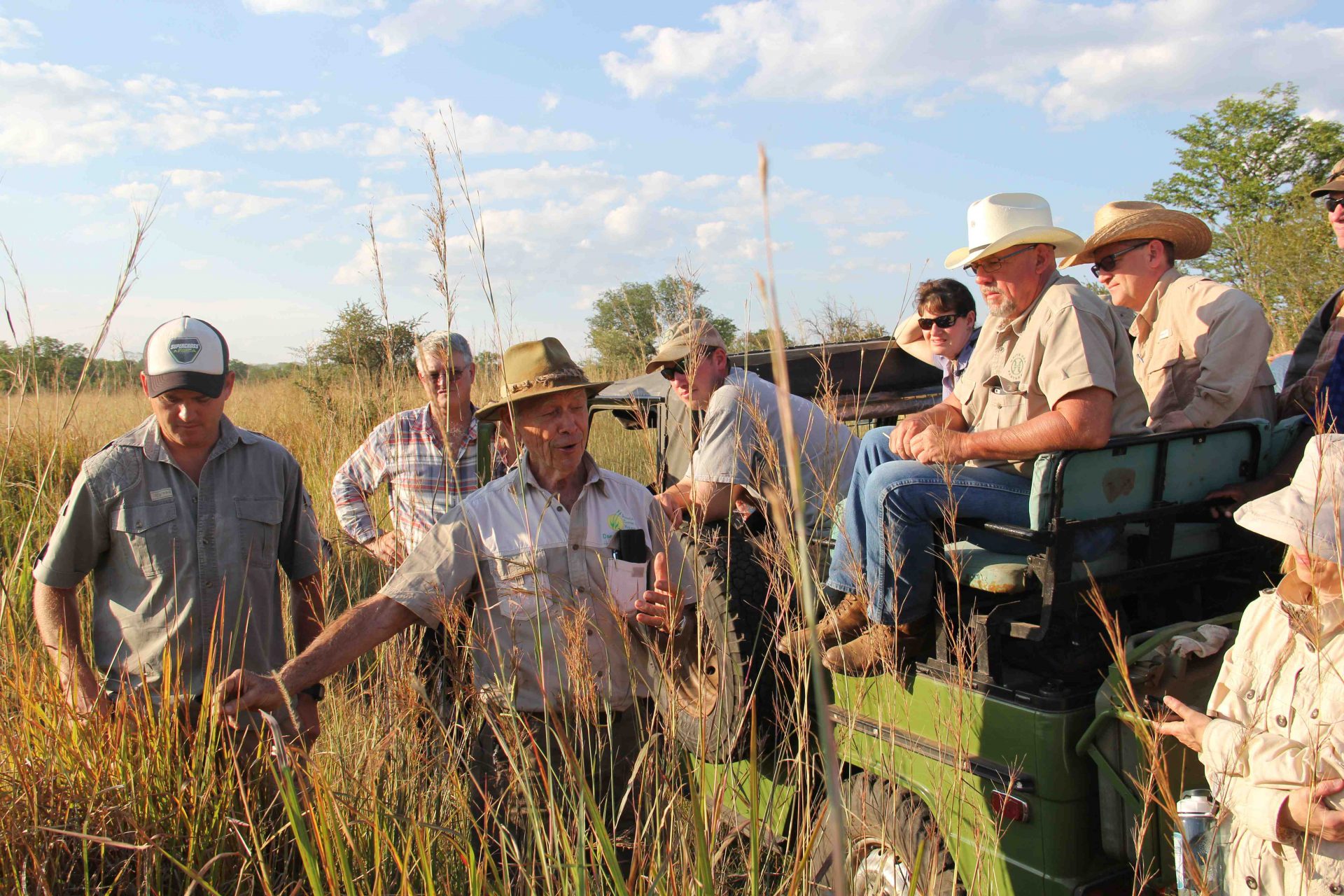
There, they visited the African Centre for Holistic Management alongside similar institutes from around the world.
“This was probably one of the most exciting things I’ve ever done. I never thought I’d go to Africa,” Rapati told Moose FM.
70 groups from around the world applied to take part in the trip to southeast Africa, the very place where the Savory Institute was spawned.
Rapati told Moose FM NFTI was one of 10 groups to be admitted and the only Canadian hub to even make it to the accreditation process.
“[The other institutes] had no idea about the challenges we face in terms of our winters here and the fact that most of our food is shipped in,” she said.
“Agriculture here is also very young. We don’t have many of the destructive industrial practices that many other places have.”
In addition to learning the business side of farming operations, participating groups also learned about best practices for their context.
But Rapati says the most memorable part of the trip was a visit to a nearby village called Sizinda, where she says they witnessed real-life success stories of holistic management.
“This village was taught by the African Centre for Holistic Management for the last five years and in that time, they’ve been implementing the changes that they wanted to make.
“They have a river there that dries up in the dry season. There’s no water in it except for at night when they have to go and collect water from pools.
“But in just five years of implementing what they learned, their river has come back and now flows all year for 11 kilometers, something no one from the village ever remembers happening before.”
Read: Hay River Farm Agrees Campus Lease, Plots Next Steps
In the 1960’s, the Savory Institute says a breakthrough was made in terms of understanding what was causing the degradation and desertification of the world’s grassland ecosystems.
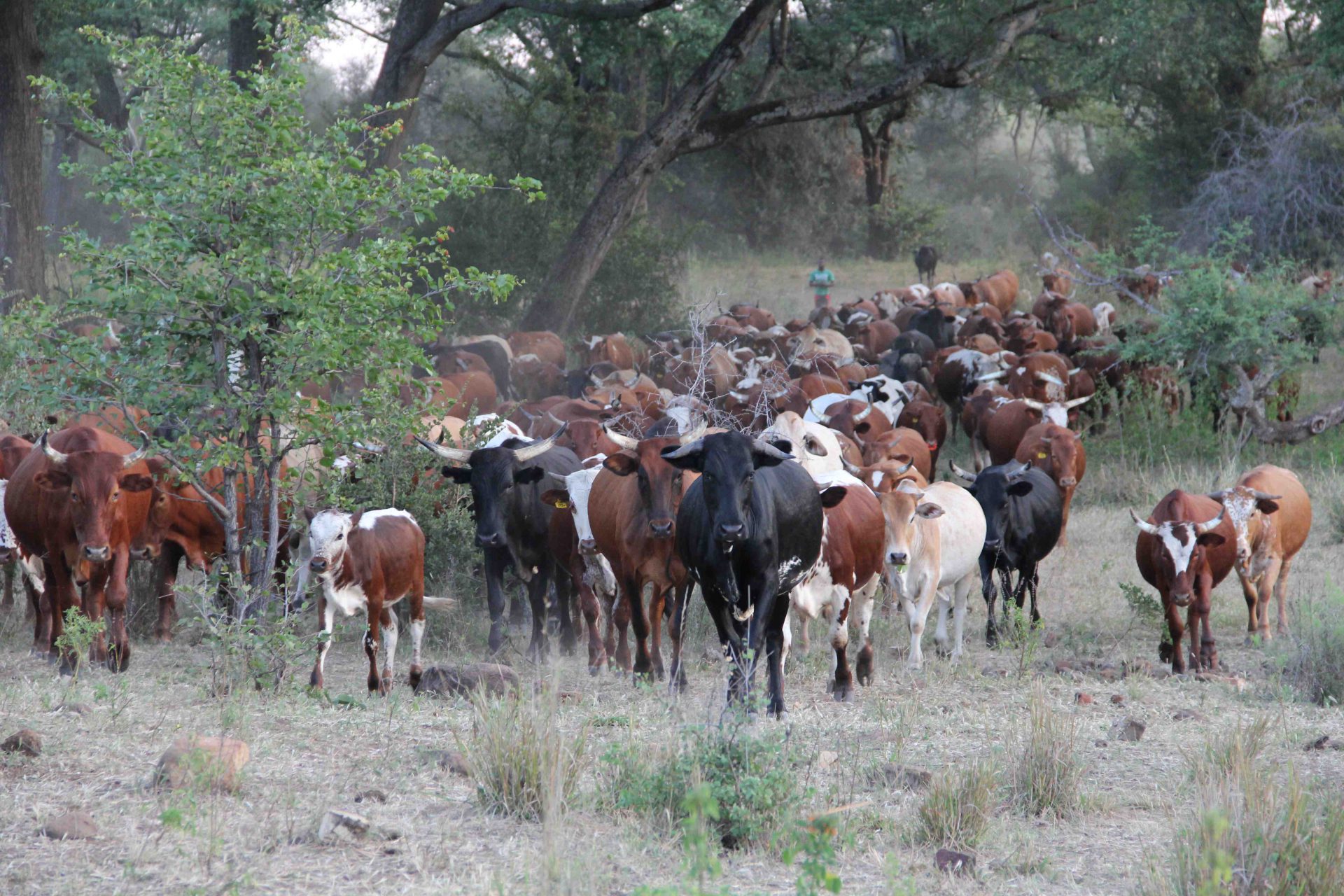
For centuries, it was assumed that livestock were to blame for desertification. Savory’s research, however, showed that the cause lay in how those livestock were managed.
Now that NFTI is an accredited Savory Hub – joining groups from Australia, Turkey and the United States – it can begin to work with similar institutes around the globe.
“We want to start global internships where maybe people who have trained at our centre can get a connection to work at other centres around the world,” said Rapati.
“As a human being, I’ve always thought I have to leave no trace. By seeing what we can do with proper management, I’ve seen that the land actually needs animals and needs people who will properly manage them.
“It’s really exciting once you start looking at your land more closely and understanding how the land interacts with animals and how that interacts with you and your social context.
“That connection to the land is something that people in the North are so intimate with already so we really think this will take off here.”






 is set to become a hub for a major international non-profit, having been a candidate for most of the year.)